Loads and Constraints

Accurate Structural Load Analysis with CAD FEA

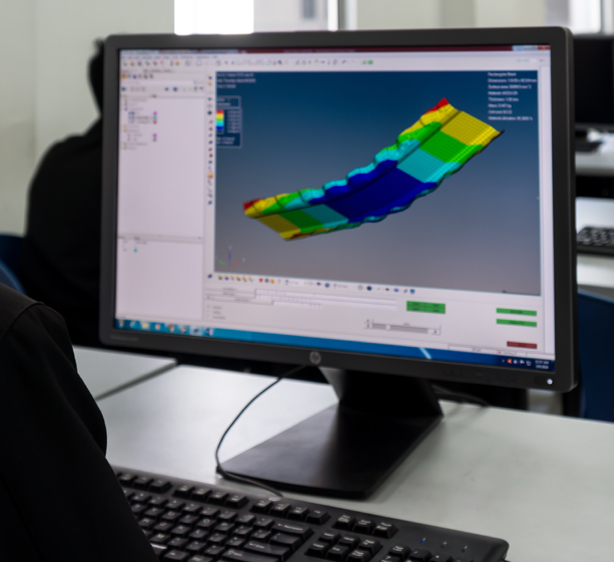
Successful simulation depends on applying realistic forces, supports, and operating conditions. At CAD FEA Solutions, we provide detailed structural load analysis and advanced boundary condition modelling to ensure your product, component, or structure is tested under conditions that reflect real-world use.

Our engineers use proven methods in finite element structural analysis to help manufacturers, designers, and engineers understand performance, reduce risk, and improve confidence before production begins.

Why Loads and Constraints Matter in Finite Element Structural Analysis (FEA)?

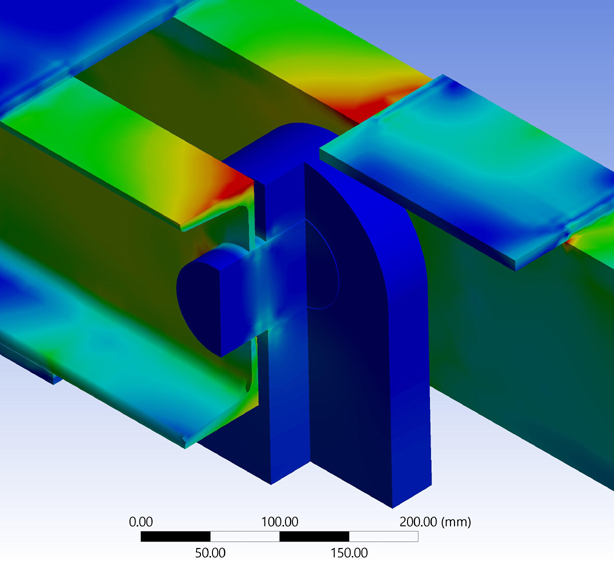
Applying accurate conditions allows simulations to predict how a design will behave under stress, movement, temperature change, vibration, and repeated use. This creates a stronger foundation for informed engineering decisions.

Correct setup helps identify:

  • High stress zones and weak points
  • Excessive deflection or movement
  • Fatigue risks over time
  • Connection or support failures
  • Material overdesign and unnecessary cost
  • Safety or compliance concerns
cadfea

Our Structural Load Analysis Services

We assess a wide range of force conditions to match your application and operating environment.

Advanced Load Simulation

  • Dynamic & Transient Loads
    We analyse how designs respond to time-varying forces, including sudden impacts, sustained vibrations, and complex operational cycles.
  • Thermal & Environmental Loads
    Our simulations account for a wide range of conditions, from temperature fluctuations and thermal shock to ambient pressures and humidity.

Precise Constraint & Boundary Modelling

  • Realistic Boundary Conditions
    We expertly model complex boundary conditions, including fixed, pinned, sliding, and contact-based interactions.

  • Custom Constraint Configurations
    Our team has the expertise to define bespoke constraint setups tailored to the unique mechanical and physical requirements of your project, no matter how complex.

Integrated & Optimised Workflow

  • Seamless CAD Integration
    Our FEA services integrate smoothly with your existing CAD data, creating an efficient and error-free workflow from design to analysis and back to design refinement.

  • Optimisation for Performance & Safety
    By accurately defining loads and constraints, we help you optimise designs for maximum performance, reduce material costs, and enhance product safety and reliability.
cadfea

Seamless CAD to FEA Workflow

Our process integrates directly with your CAD files, allowing faster setup and efficient model updates during design changes. This reduces delays and supports smoother development cycles. We work with engineers, manufacturers, fabricators, and product developers across a range of industries.

Choose CAD FEA Solutions for structural load analysis:

  • Improved design confidence
  • Reduced prototyping costs
  • Faster design refinement
  • Better material efficiency
  • Lower failure risk
  • Stronger safety outcomes
  • Reliable engineering insight for decision-making

Need Help with Finite Element Structural Analysis?

If you need accurate structural load analysis or expert finite element structural analysis, CAD FEA Solutions can assist with realistic simulation setups that deliver dependable results.

Contact our team today to discuss your project and performance requirements.

Contact Us

Structural Load Analysis FAQs

What is structural load analysis?

It is the process of evaluating how forces such as weight, pressure, vibration, and impact affect a component or structure during operation. This helps determine whether a design can safely handle expected service conditions.

Why is finite element structural analysis important?

It allows engineers to simulate real-world stresses and movement digitally before production. This reduces risk, improves efficiency, and helps identify design issues early.

What types of products can be tested?

A wide range of components can be assessed, including brackets, frames, housings, machinery parts, welded structures, automotive components, and industrial assemblies.

Can simulation reduce prototype costs?

Yes. Virtual testing often identifies performance issues before physical manufacturing, reducing the need for multiple prototype iterations and saving both time and money.

How accurate are engineering simulations?

Accuracy depends on proper material data, realistic loading inputs, and correct boundary conditions. When configured professionally, results provide highly valuable design guidance.

When should analysis be performed during a project?

The earlier the better. Running assessments during concept and design stages helps prevent costly late-stage changes and speeds up product development.

Can existing products be reviewed for failures or improvements?

Yes. Existing designs can be evaluated to investigate failures, improve strength, reduce weight, or optimize performance for updated operating requirements.

Which industries benefit from these services?

Automotive, aerospace, manufacturing, mining, construction, consumer products, and industrial engineering sectors all benefit from advanced simulation and structural assessment.

Get in touch